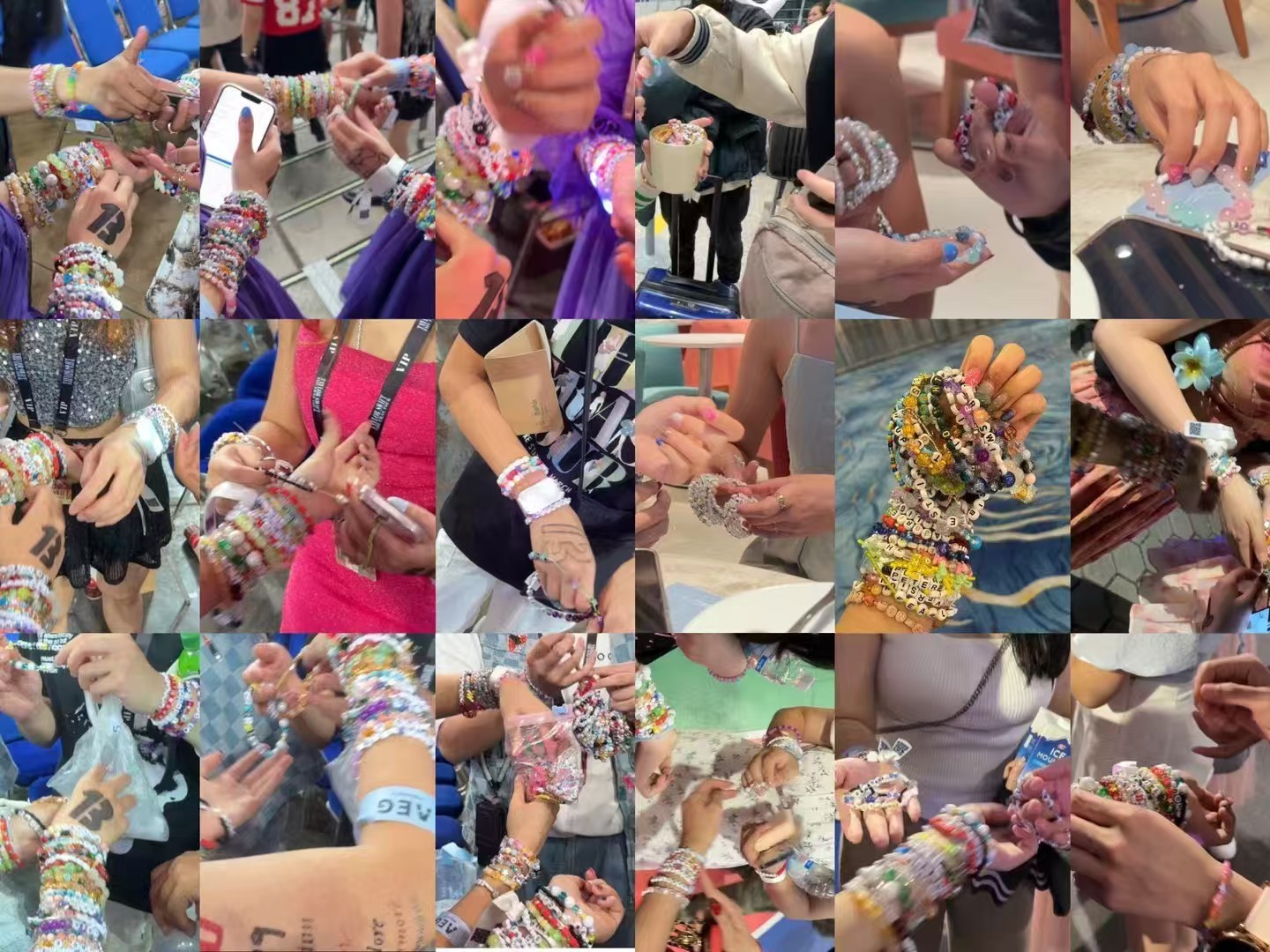
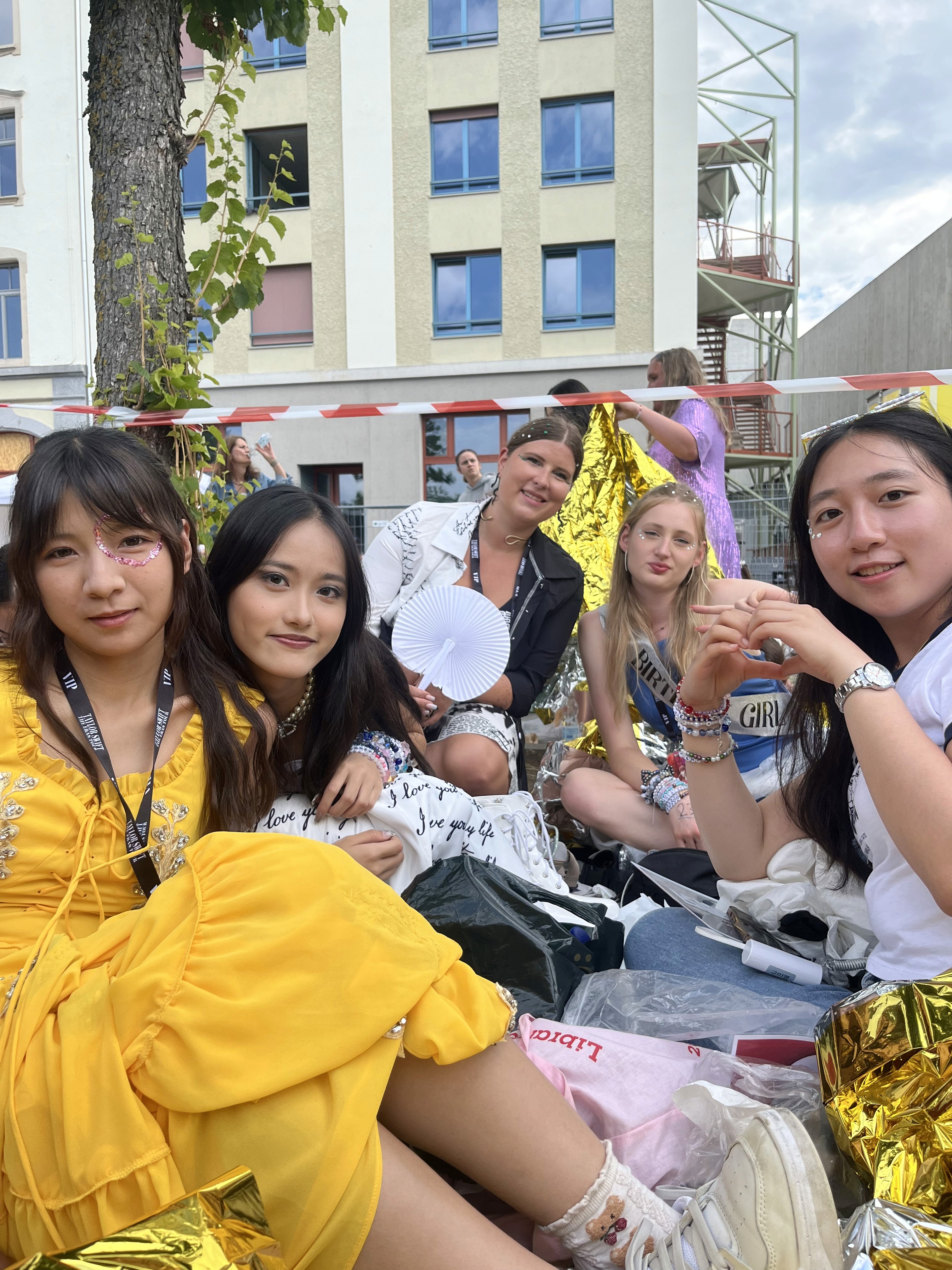
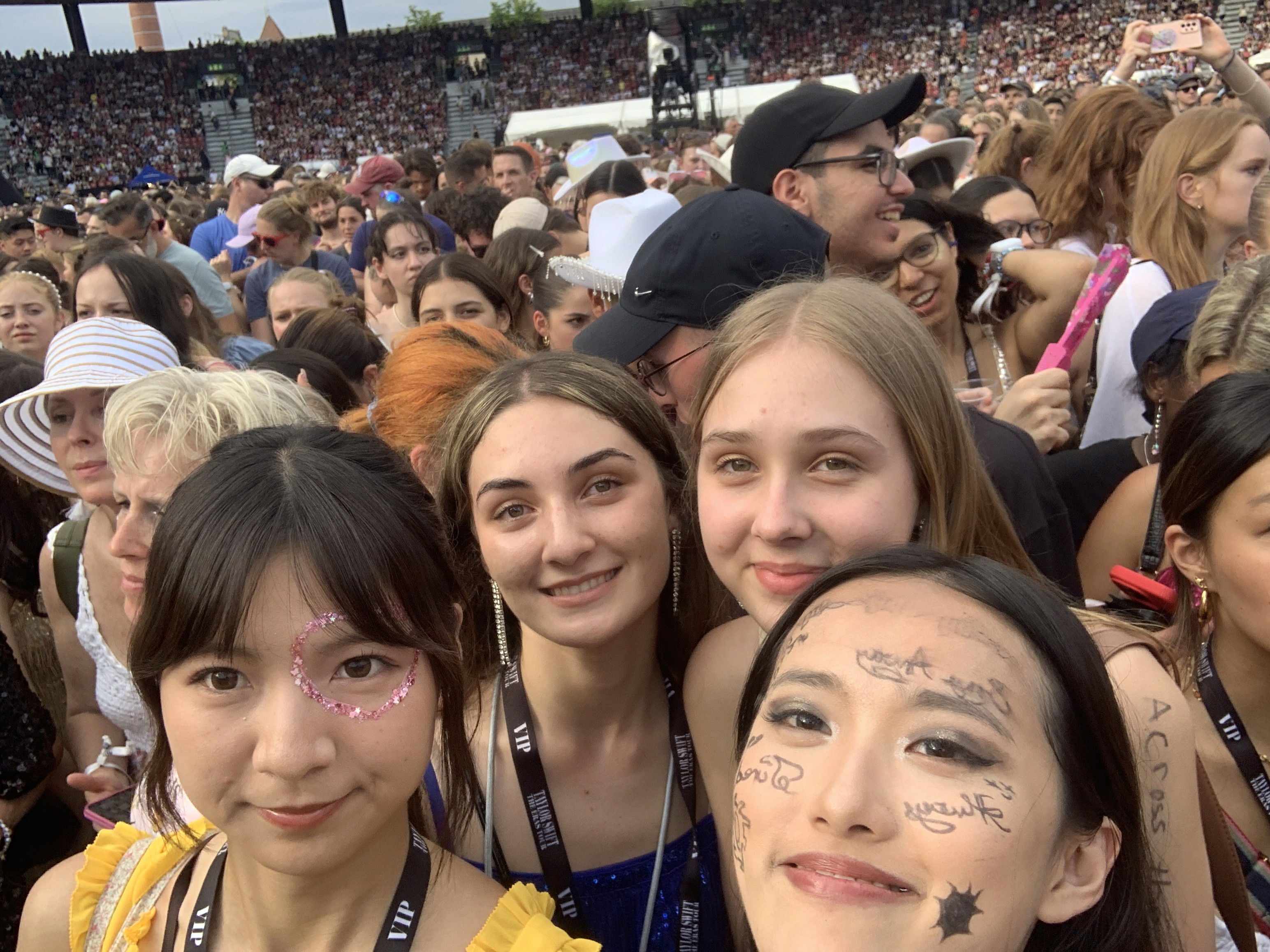
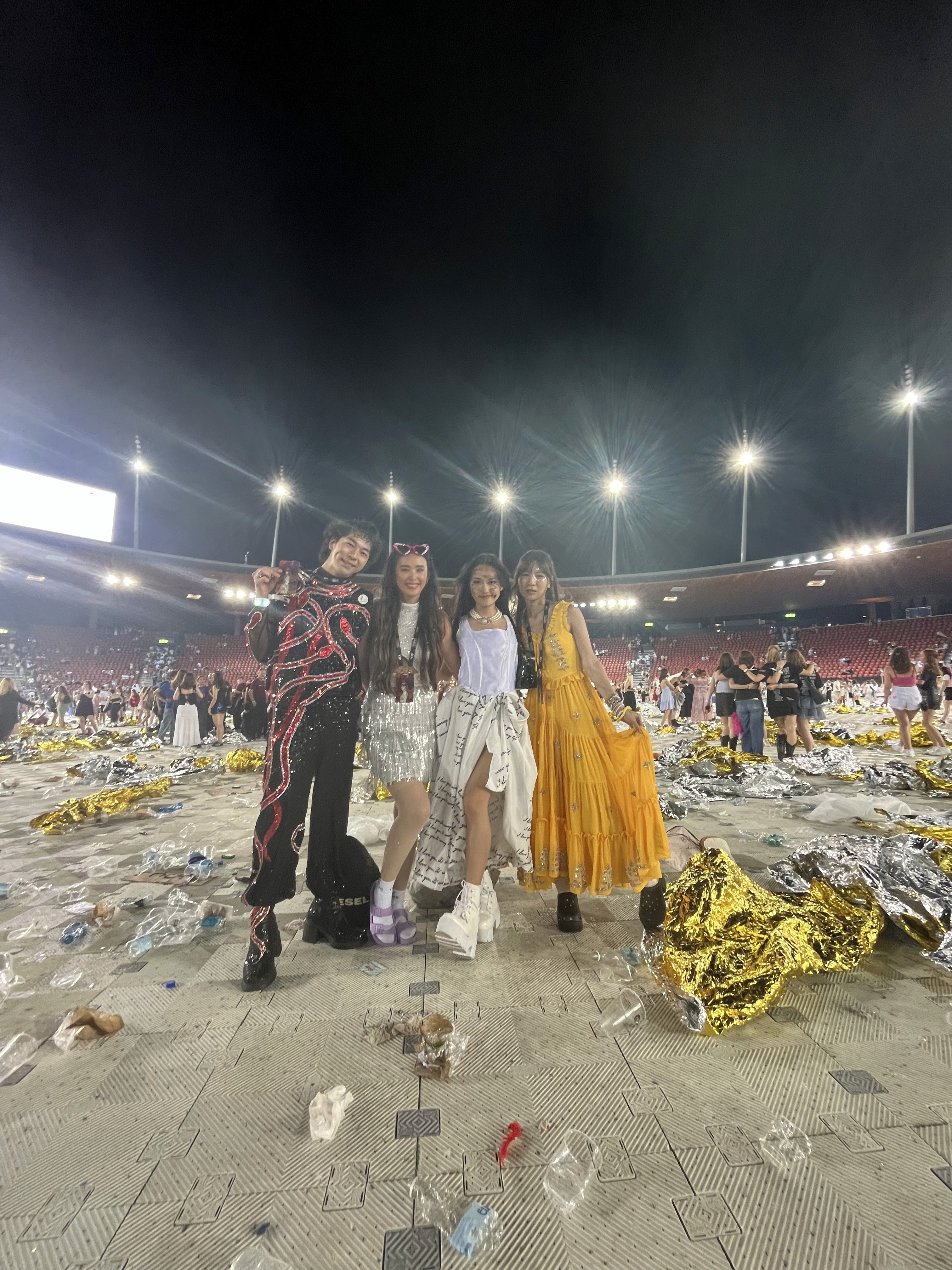
One of the most meaningful parts of the Eras Tour wasn’t just the music—it was the community it created. At the Zurich stop, I waited from 7 a.m. to 5 p.m. to secure a front-row spot, but those hours became an exchange far richer than waiting. Trading friendship bracelets became my way of connecting. I exchanged over a hundred, gifted dozens more, and collected something more lasting than beads: stories.
A compliment led to a bracelet, which led to conversation. I spoke with fans from Japan, Korea, Germany, Switzerland, Brazil, and Taiwan, discussing everything from cultural traditions to politics. In that line outside the stadium, the world felt suddenly small, compressed into overlapping conversations driven by curiosity rather than assumptions.
We still keep in touch online. Looking back, I’m struck by how simple friendship bracelets became bridges across continents.
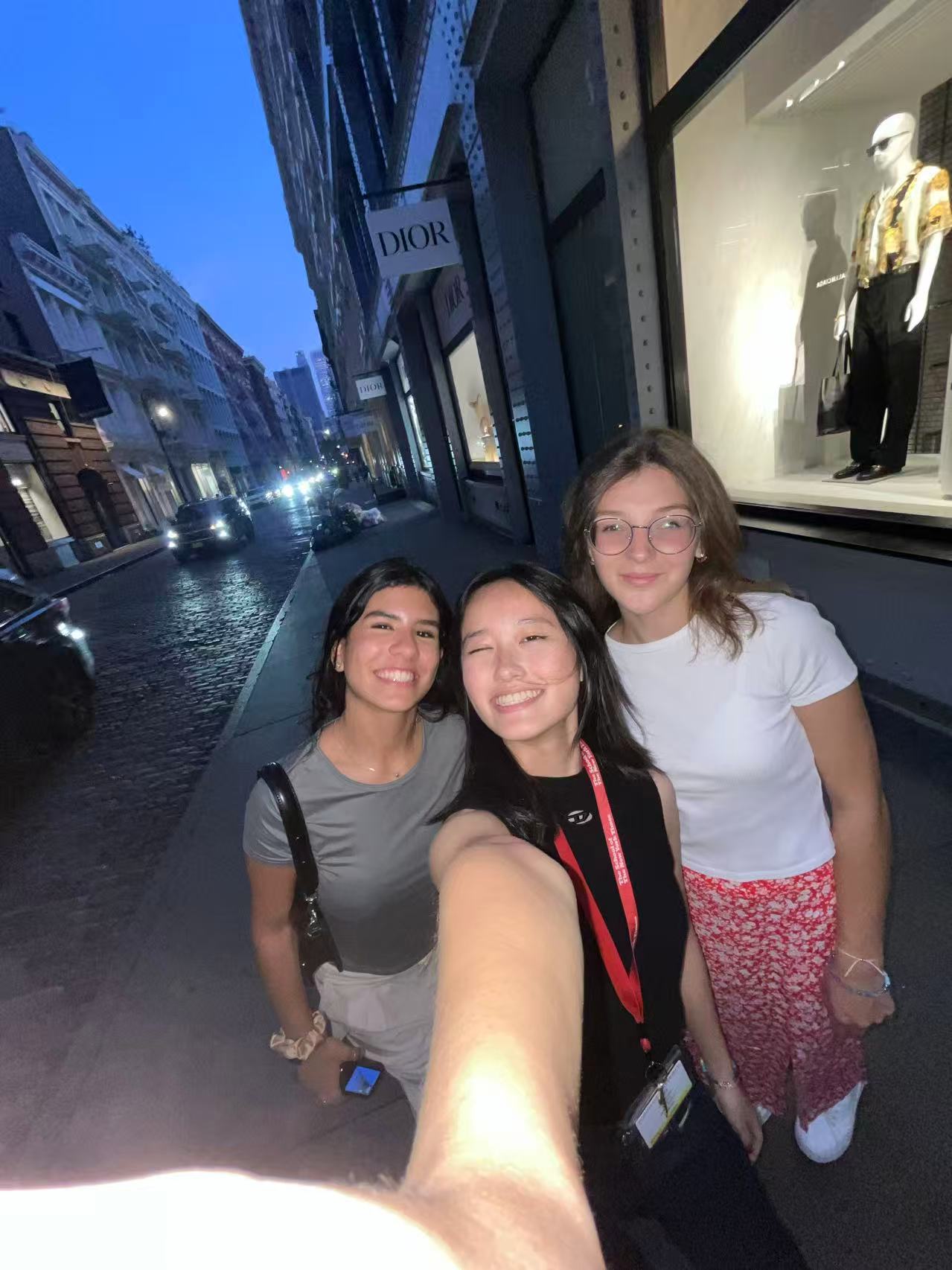
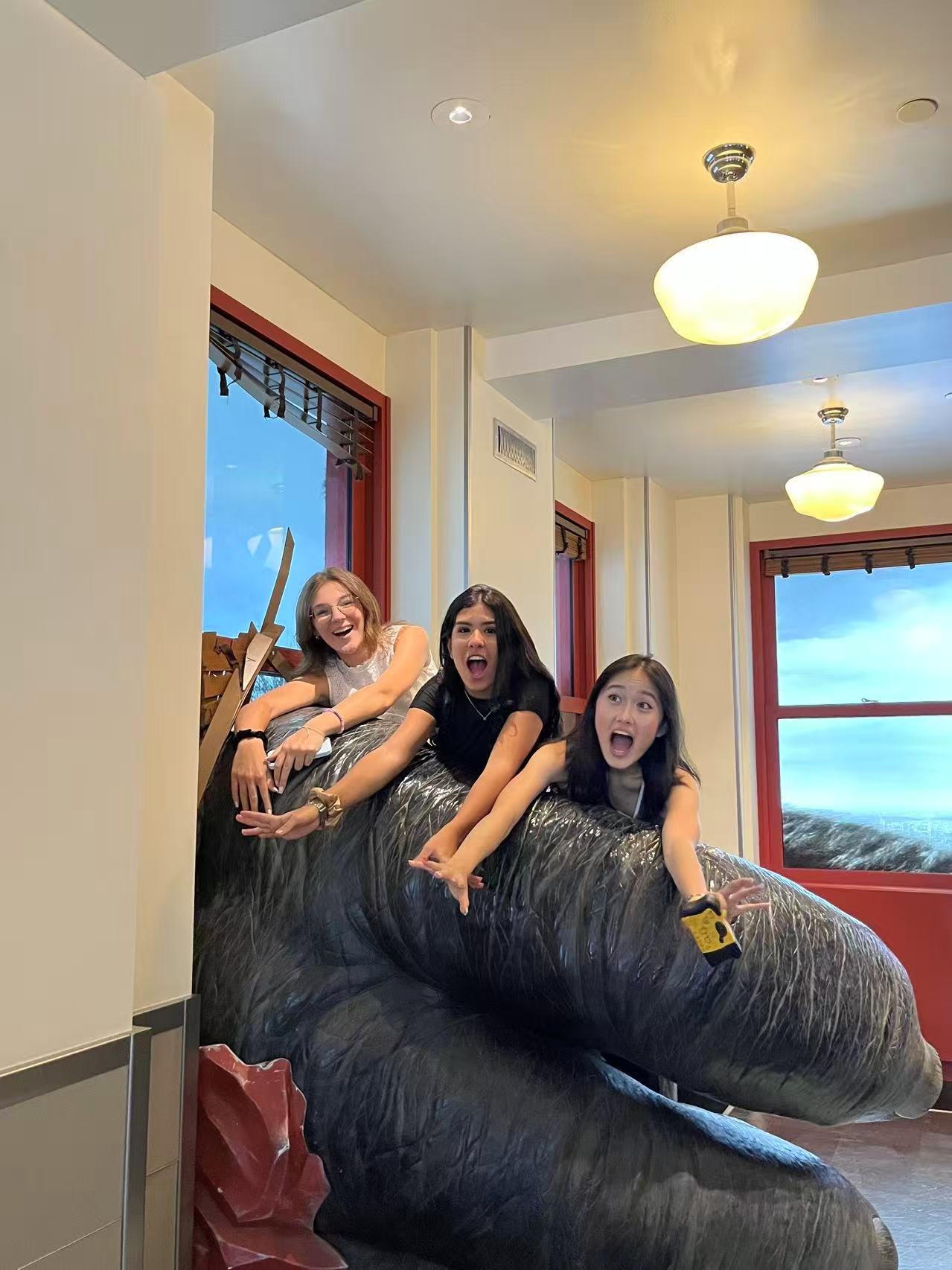
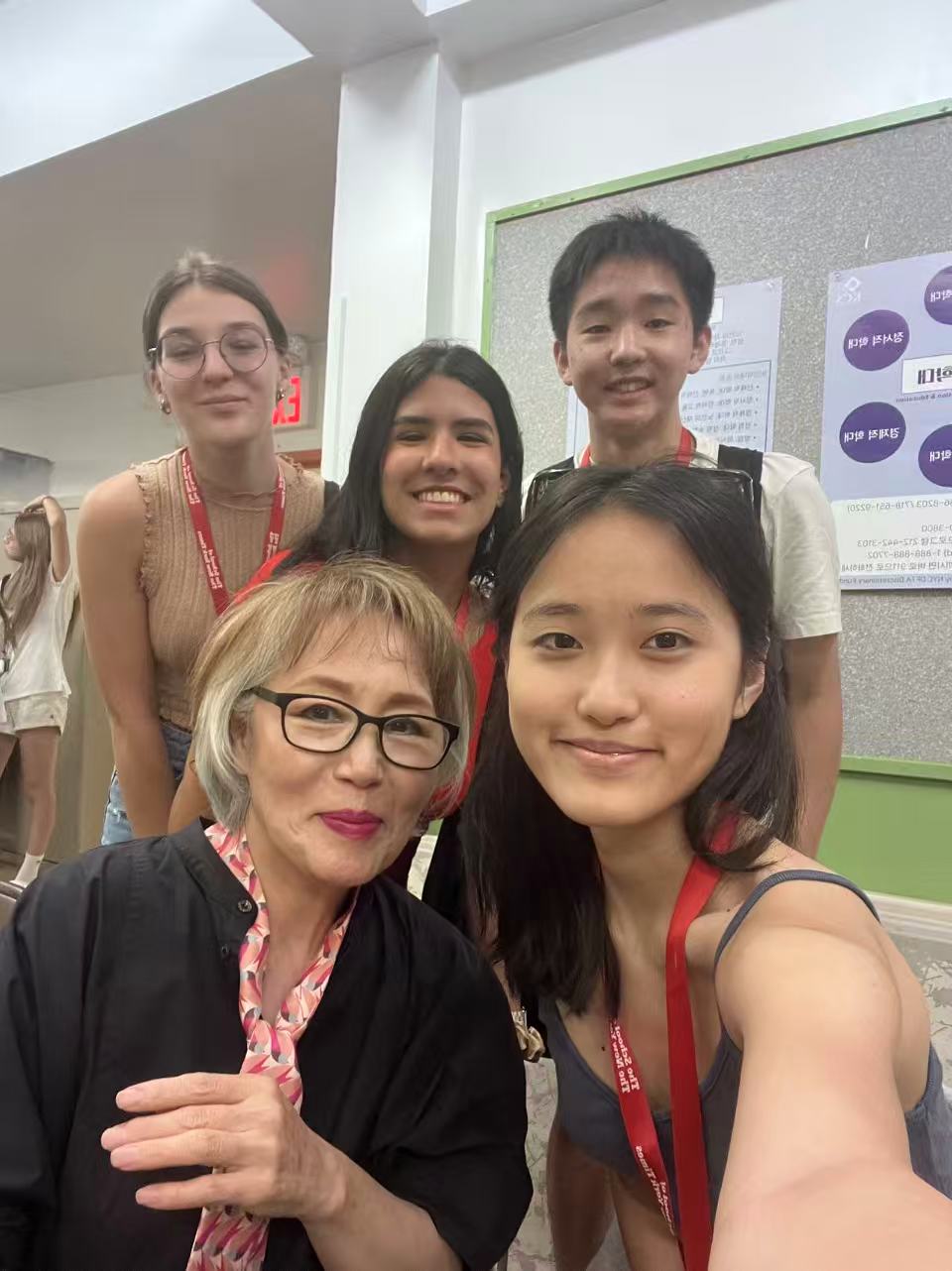
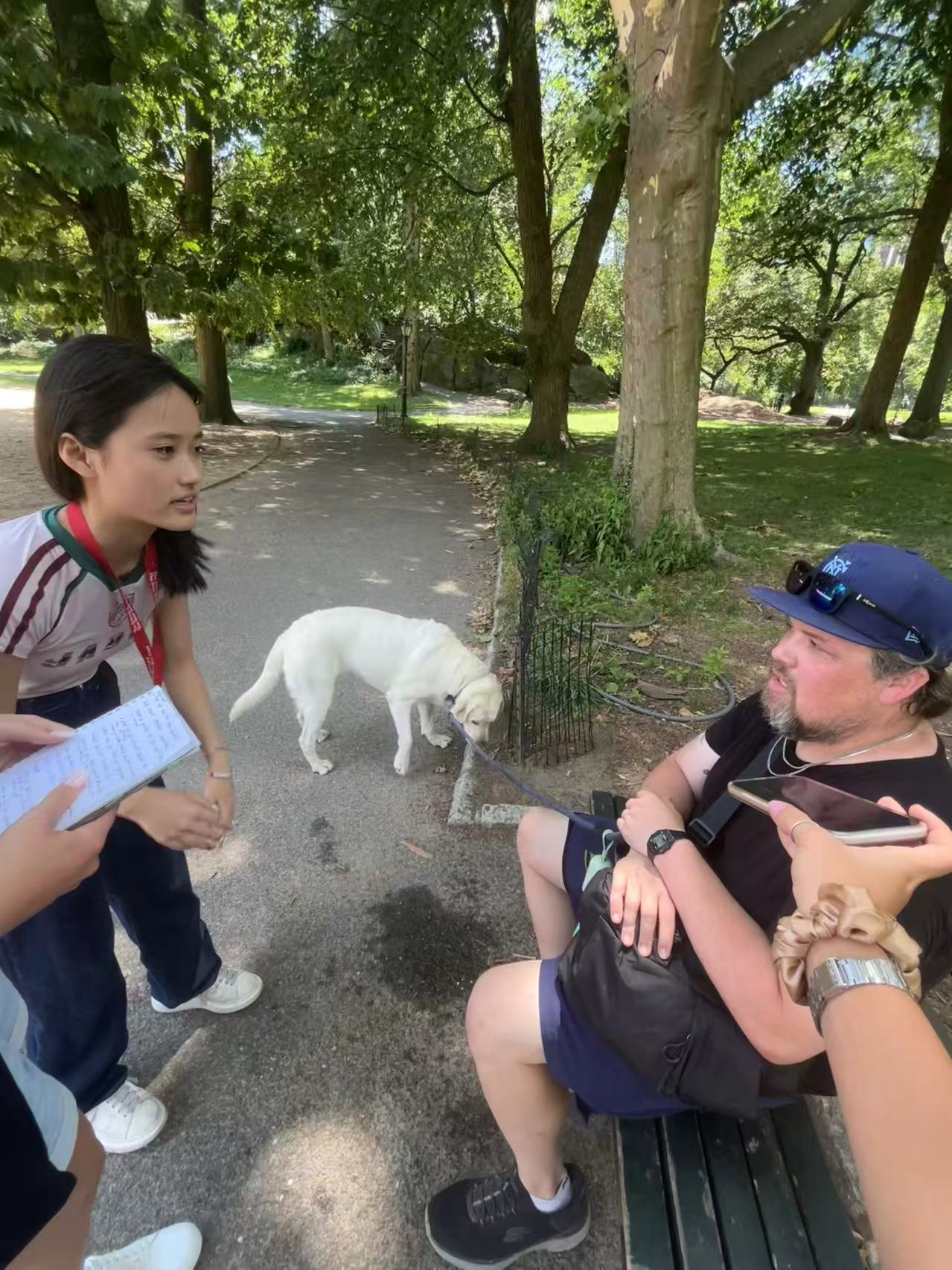
At the New York Times Summer Academy, I was paired with two classmates—one from Brazil, one from Ukraine. What began as assigned group work quickly became a cross-continental exchange of lived experience.
We stayed late in the newsroom, ostensibly editing feature stories but really sharing our lives. My Brazilian classmate described São Paulo’s vibrant rhythms and family-centered culture; my Ukrainian classmate spoke quietly of resilience, video-calling home while writing about hope from an ocean away. Through conversations about language, untranslatable words, customs, and daily realities, our differences became sources of connection rather than distance.
Cultural exchange is what excites me most. I’m drawn to the moment when something unfamiliar suddenly makes sense, when I realize my “normal” is someone else’s exception. Those moments remind me that there are countless ways to be human—and learning them is a privilege.
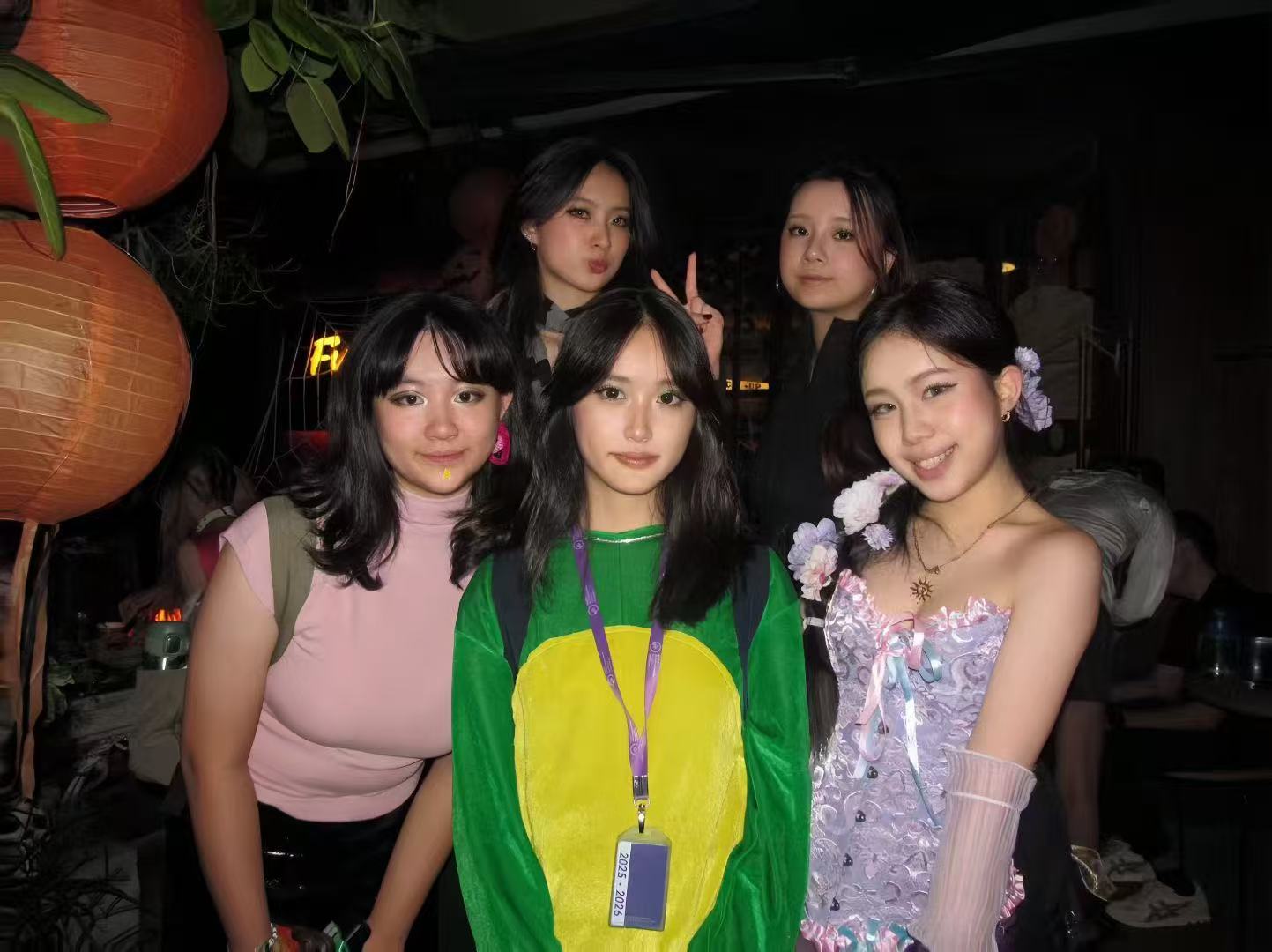
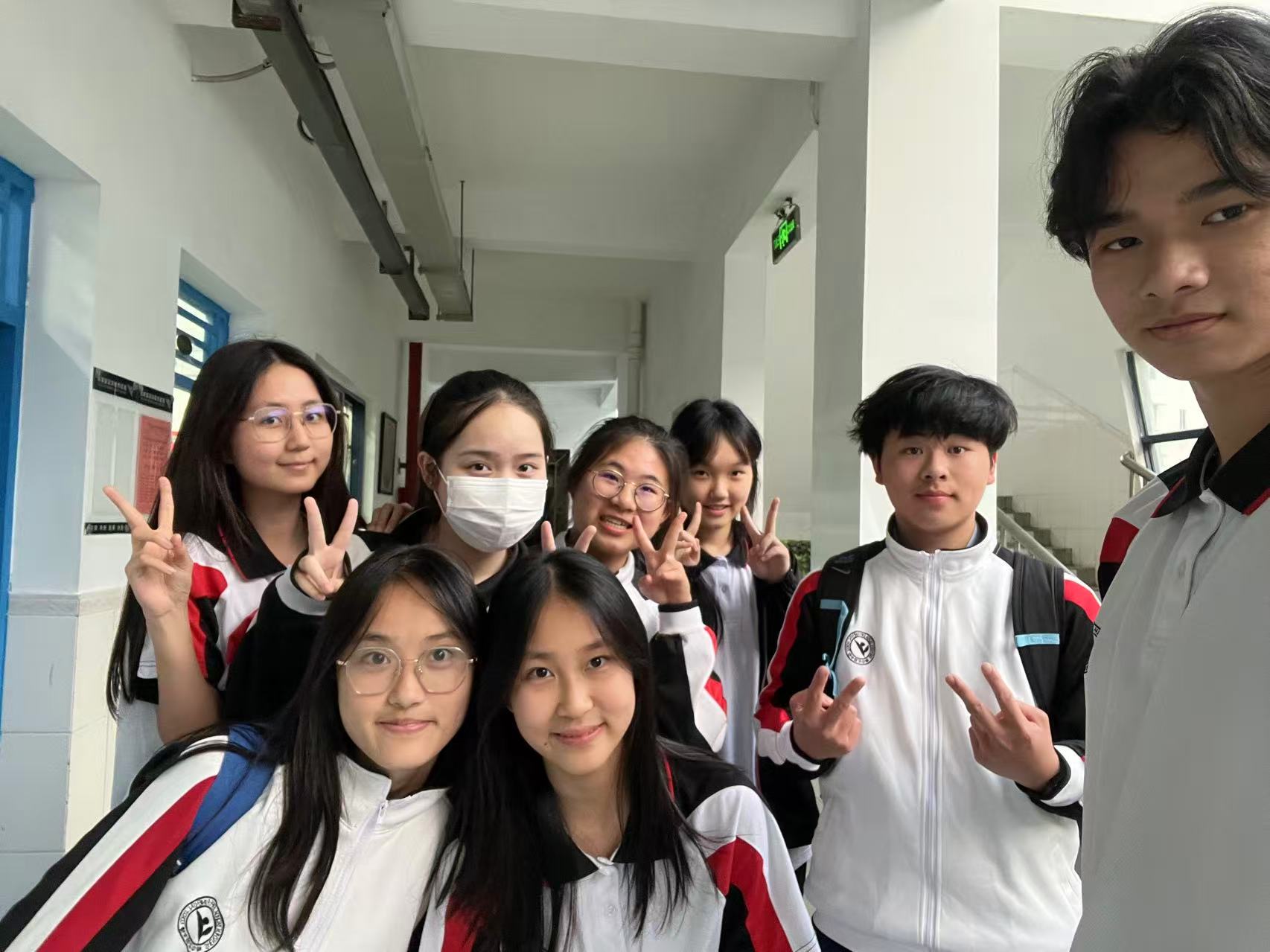
My two years at Yaohua Experimental School in Shenzhen gave me more than an education—they gave me brothers for life. Seventh and eighth grade were chaotic and unforgettable: broken Mandarin jokes, shared street food, late-night exam cramming, and the kind of reckless joy only middle school allows. Even after we scattered to different high schools, those bonds held. Our group chat is still alive, our milk tea meetups still regular. With them, I never have to explain myself or the mix of cultures I carry—they knew me before I learned how to edit who I was.
At BASIS International School, I found another kind of family. These friends witnessed my becoming—seeing me stumble through adolescence and grow into early adulthood. We’re an unlikely mix of personalities, but our differences harmonize. With them, I could share ambitious ideas and quiet fears without shrinking myself. They challenged me when I played it safe, supported me when I doubted myself, and celebrated every small win.
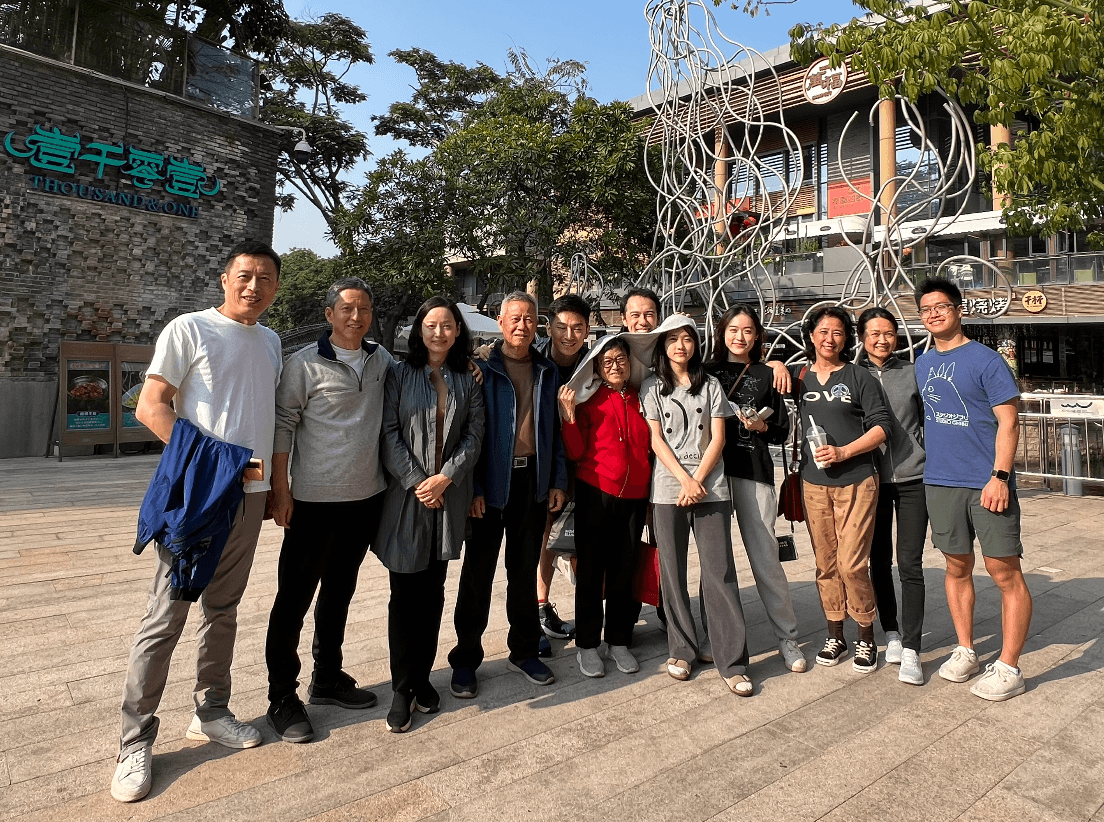
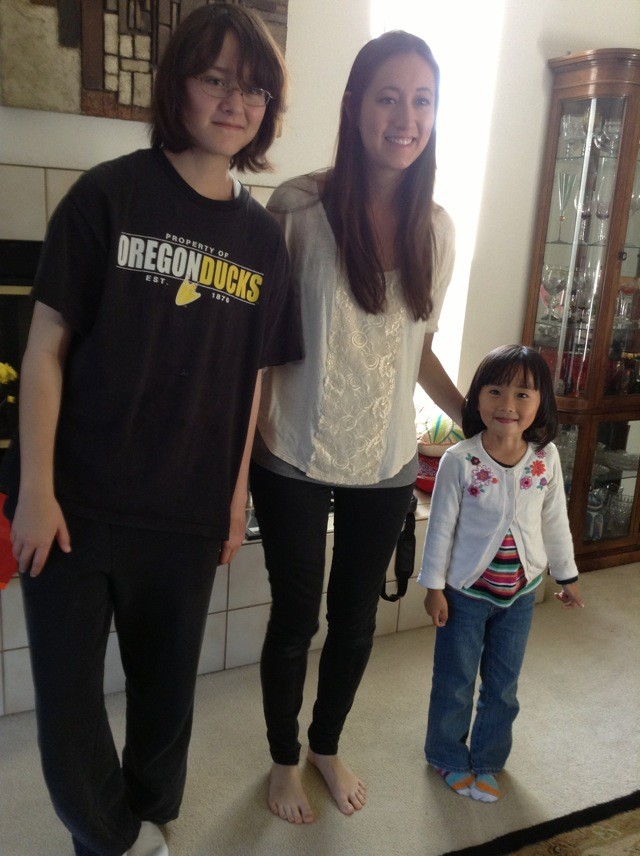
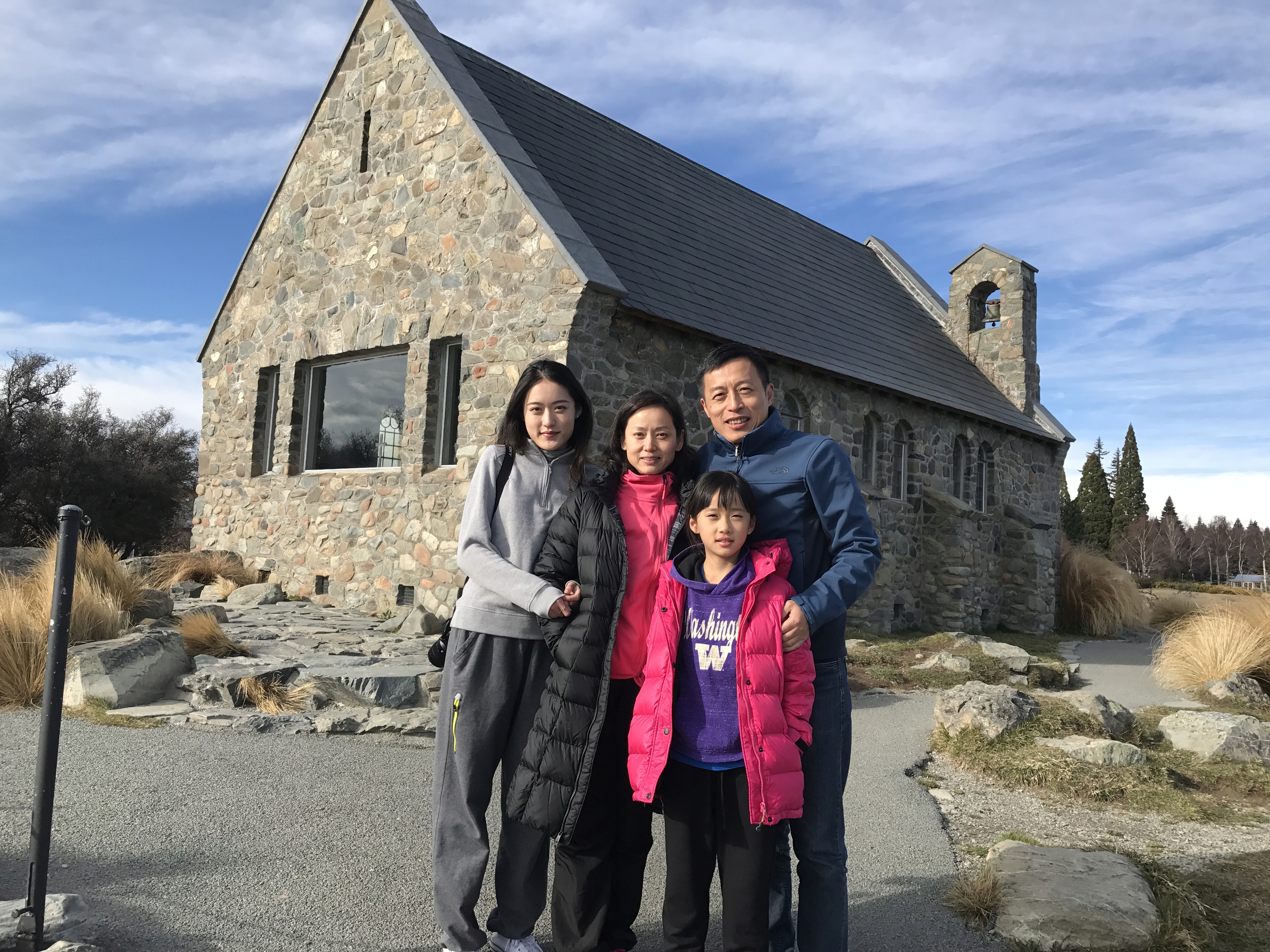
My parents broke the Asian parenting mold—Mom encouraged exploration over excellence, Dad cheered every experiment. Their trust created space for me to discover rather than perform. This freedom ironically produced my lovingly strict sister, ten years older, who became my life's GPS when I hit middle school. She translated adulting into my language: Notion templates instead of lectures, shared Spotify study playlists instead of nagging. Having someone who'd navigated my exact paths just a decade earlier meant getting advice that actually worked in my world.
My earliest years, though, belonged to my grandparents in San Diego. While my parents worked in China, visiting only on holidays, my grandparents raised kindergarten me in a beautifully bicultural bubble. They battled my five-year-old English-only phase with patient Chinese conversations, ensuring I emerged genuinely bilingual. Our home celebrated everything: Christmas stockings and Chinese New Year red envelopes, fireworks and dumplings, teaching me that identity multiplies rather than divides.
This unconventional structure—parents parenting through trust, grandparents preserving culture through daily practice, a sister mentoring through lived experience—taught me that family isn't about traditional roles. It's about who shows up to shape you, whether they're teaching Chinese characters at kitchen tables or editing college essays over FaceTime. Each member gave me different tools: courage from my parents, roots from my grandparents, navigation from my sister.